 Translate
A Compressor Operator and the Energy Efficiency Question
When energy costs rise, the lubricant itself is often one of the cheaper line items in the budget, but it can have an outsized effect on efficiency.
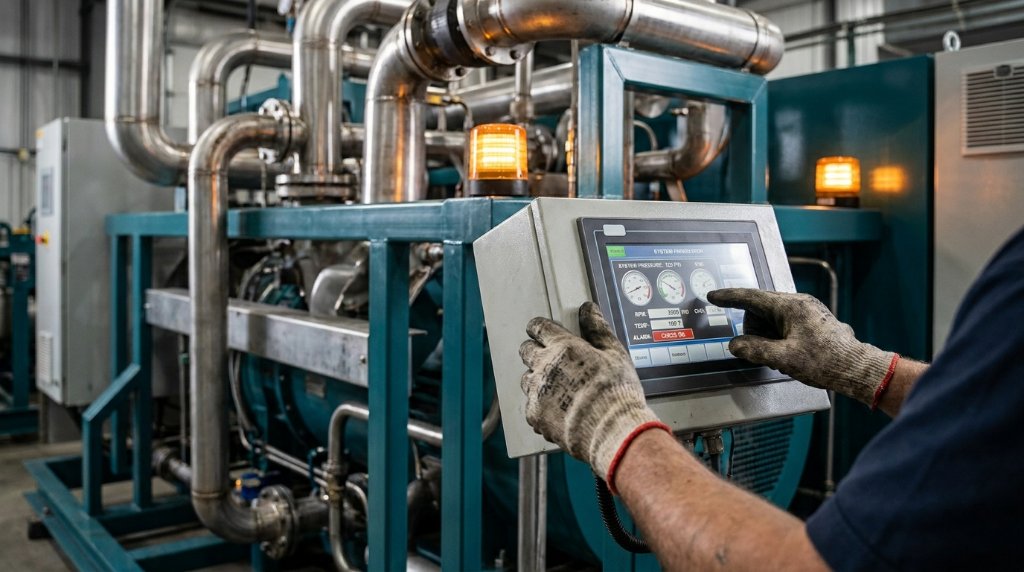
The Situation
Industrial compressor operators running mineral-oil-lubricated systems often face a recurring question when energy costs rise: is the lubricant itself part of the efficiency problem, not just the equipment?
Options a Business in This Position Typically Weighs
Switching to a synthetic PAG-based compressor fluid to reduce friction losses and extend oil drain intervals; running a side-by-side trial to quantify actual energy draw before committing to a full changeover; factoring in the total cost of ownership (energy savings + reduced oil consumption + fewer changeouts) rather than purchase price alone; checking compatibility with seals and existing system materials before switching.
What This Illustrates
The lubricant is frequently one of the cheaper line items in a compressor's operating budget, but it can have an outsized effect on energy consumption over the equipment's life, which is why a proper trial period, not just a spec sheet comparison, tends to give the clearest answer.
Confidentiality note: This scenario reflects general market patterns rather than a specific client engagement, commercial details of individual businesses we work with remain confidential.
Working on something similar? Find the resources relevant to your problem.
Find Your Solution